
Part 8 of What If This Never Happened
What If the Carrington Event Never Happened
The Sun stays quiet in September 1859. The telegraph hums on, and the world loses the one warning it got cheaply about the storm still on its way.
Have you ever wondered what would have happened if the great solar storm of 1859 had never come?
The Sun stays quiet for one week in September, and the telegraph wires of Europe and North America carry their messages as usual. What follows is built from the record of that storm, and every step says what kind of claim it is: the record, a direct consequence of the premise, a likely effect, or a guess.
What really happened
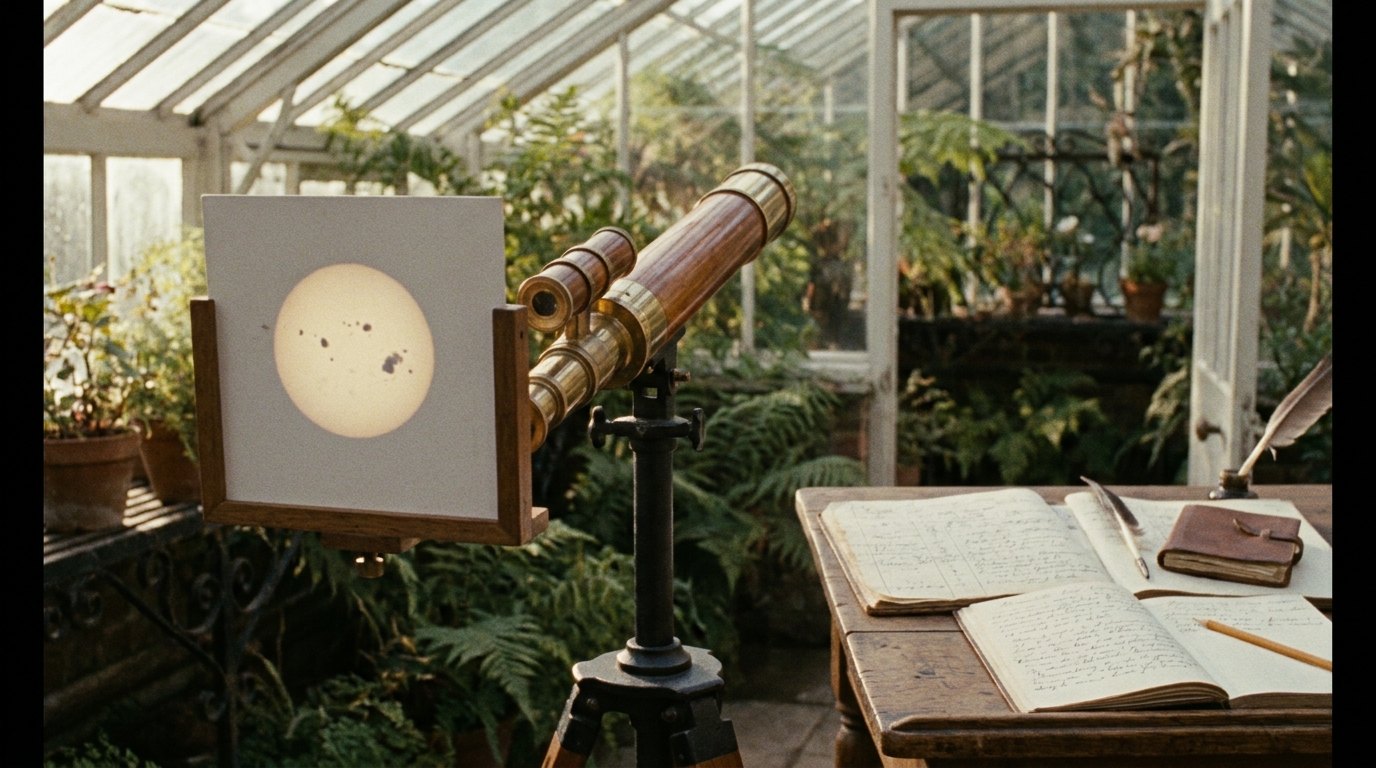
On 1 September 1859 two observers, Richard Carrington and Richard Hodgson, each watching the Sun independently, saw a patch of its surface suddenly flare. Theirs are the earliest recorded observations of a solar flare. The storm that followed peaked on 1 and 2 September, in the middle of the Sun's tenth recorded cycle of activity.
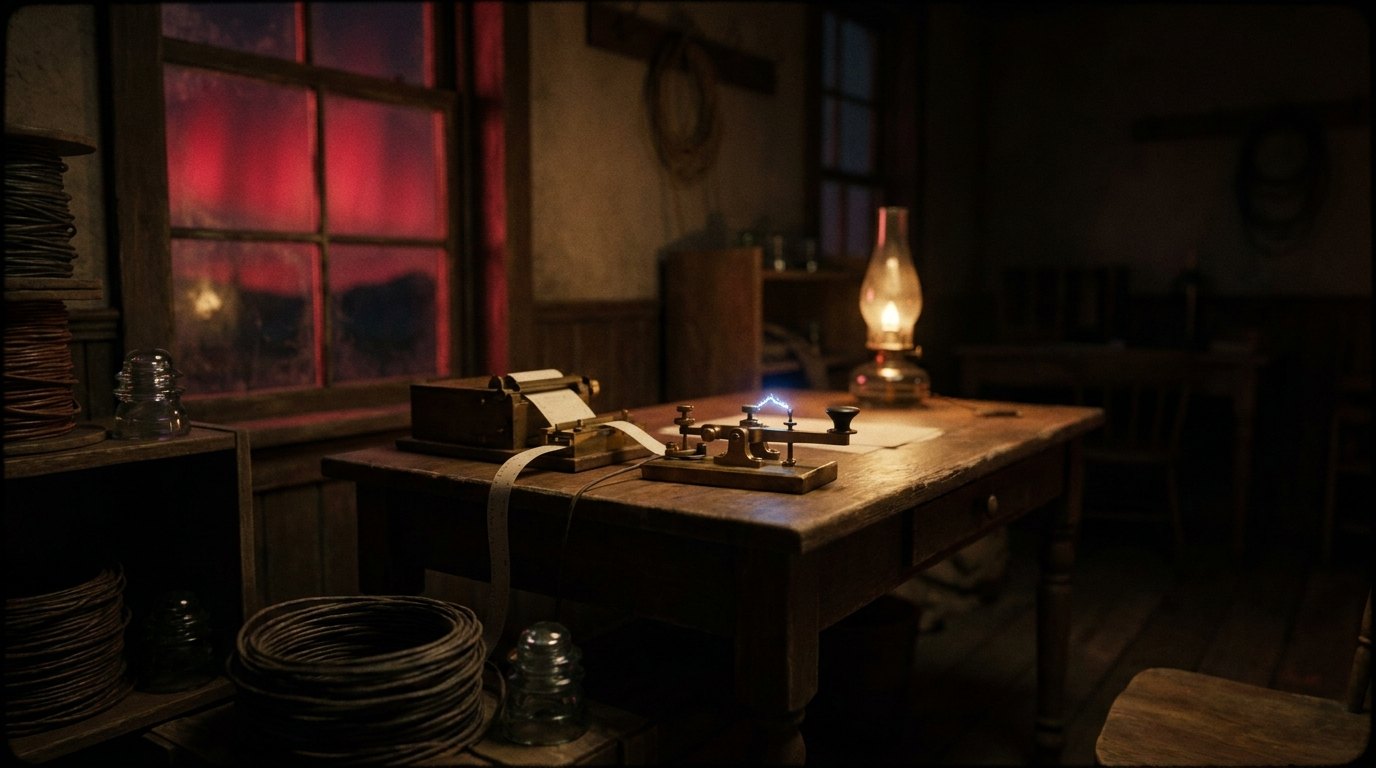
What reached the Earth was felt through the only electrical network the world then had. Telegraph systems failed all over Europe and North America. In some offices the operators took electric shocks from their own equipment.
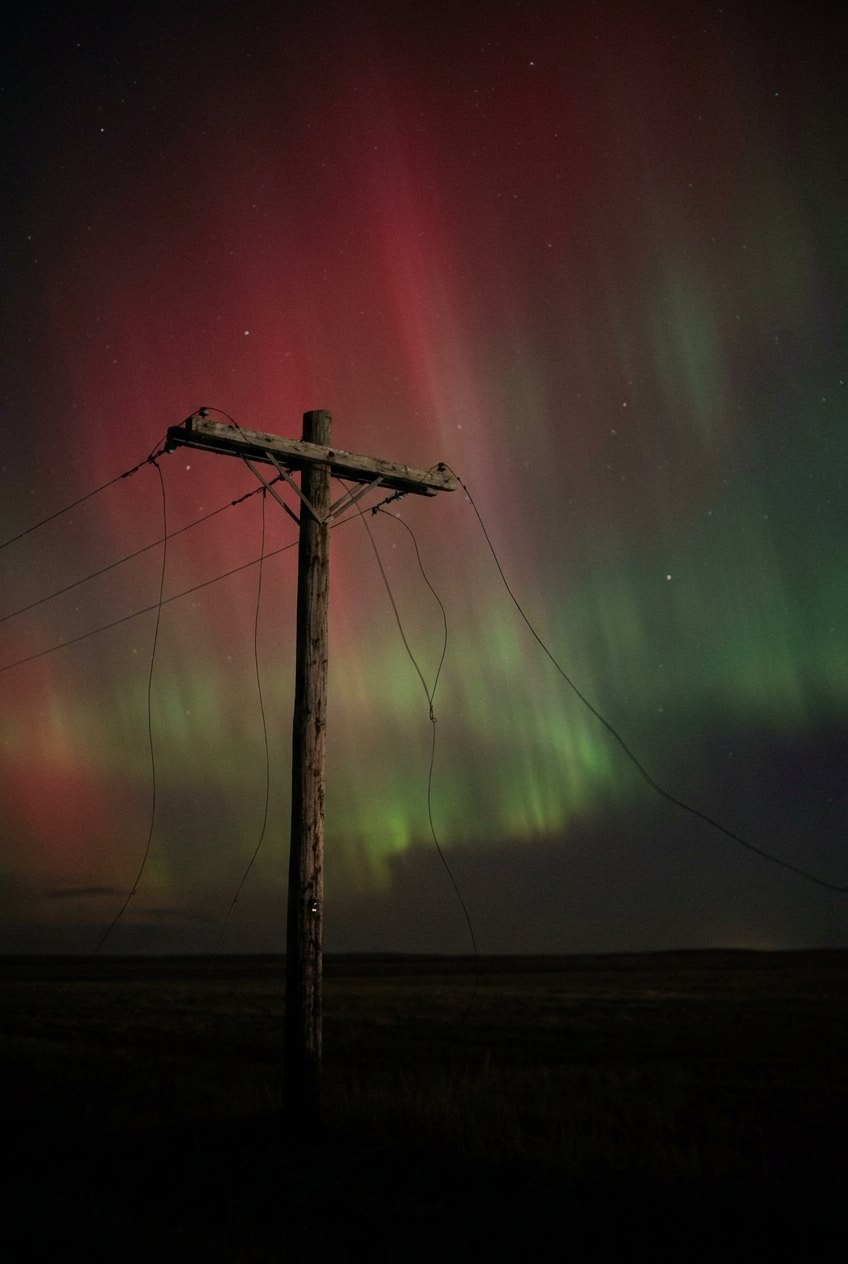
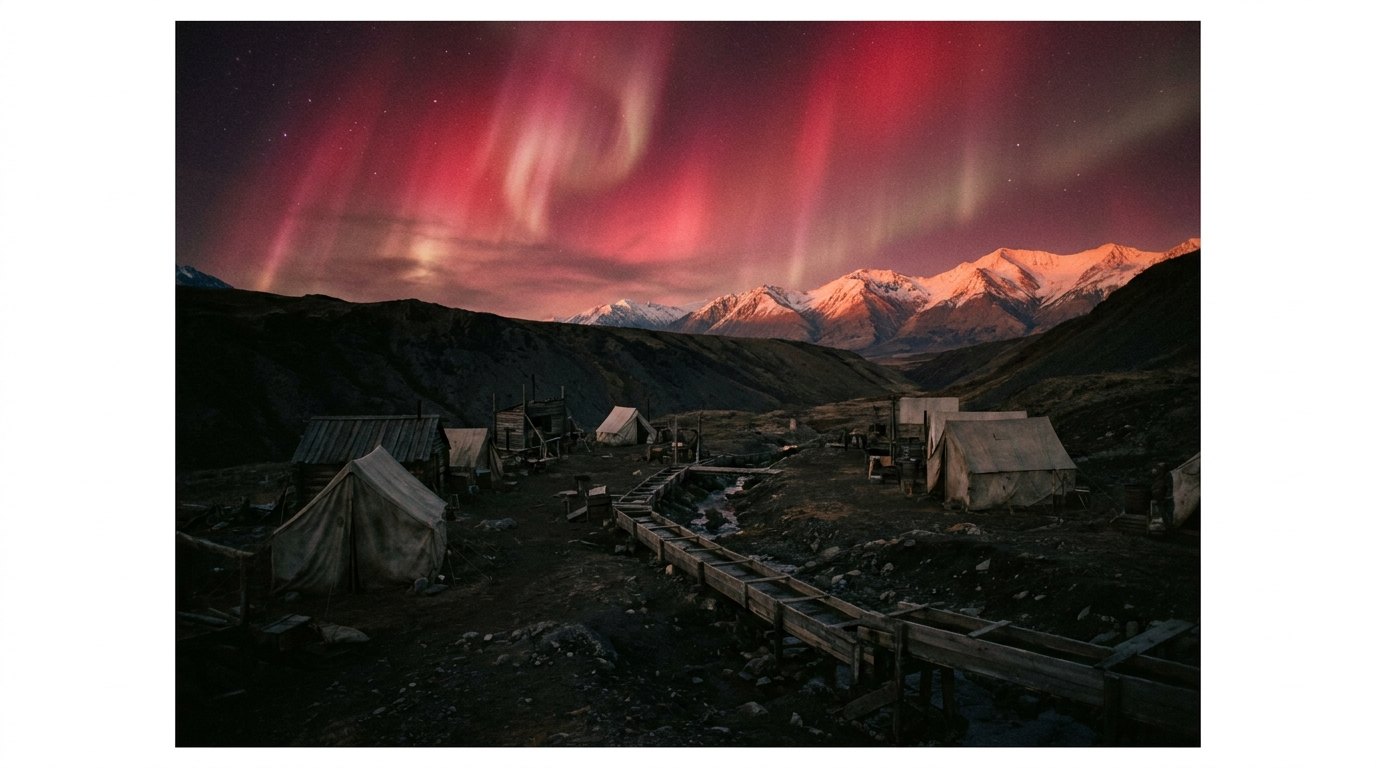
The sky did the rest. Aurorae were seen from the Rocky Mountains, where miners took the light for dawn, to south-central Mexico, Cuba, Hawaii, Queensland, southern Japan and China, New Zealand, and very close to the equator in Colombia. Light that normally belongs to the poles was visible from places that had never seen it.
The event has a second life as a measuring stick. In 2013 a comparable storm arriving in the present day was estimated to cost the United States alone between 600 billion and 2.6 trillion dollars, roughly 3.6 to 15.5 percent of the country's annual output at the time. Research cited in the same record goes further, suggesting that global crop yields could fall by 38 to 48 percent, and by as much as 75 percent in some places, central Europe among them.
Now change one thing
The flare does not happen that week. The Sun stays at the ordinary level of activity for its cycle, the wires keep working, and nobody sees the flare. Nothing else is altered: the same telegraph, the same observers, the same Sun, the same century of electrification ahead.
What follows
Direct premise consequence. The telegraph offices of 1859 have an unremarkable week. Nobody takes a shock at the key, nobody in the Rockies gets up for a dawn that is not coming, and nobody in the Caribbean looks up at a red sky and wonders what it means.
Direct premise consequence. The first recorded solar flare is recorded later, by somebody else, on some other day. Flares are a normal part of the Sun's behaviour, so the observation arrives in time. What does not arrive is an observation joined to its consequence: a flare seen, and then, within hours, the wires failing across two continents. That link between a mark on the Sun and damage on the ground is what the 1859 record provides, and in this world it has to be pieced together more slowly, from smaller storms.
Likely near-term effect. The measuring stick is missing. The 2013 estimate of what a great storm would cost today is anchored to a storm that actually happened and was actually written down. Without one, the worst case is a figure from a model rather than a date in the archive, and a figure from a model is easier to argue down. The cheapest warning the world ever received, paid for in broken telegraph lines and a few startled operators, is never sent.
Independent of the premise. The Sun does. It has no memory of 1859 and no reason to skip the next storm of that size because an earlier one did not come. The storm the Carrington Event stands for is not a single event that can be removed. It is a kind of weather, and removing one example of it removes only our knowledge of how bad it can get.
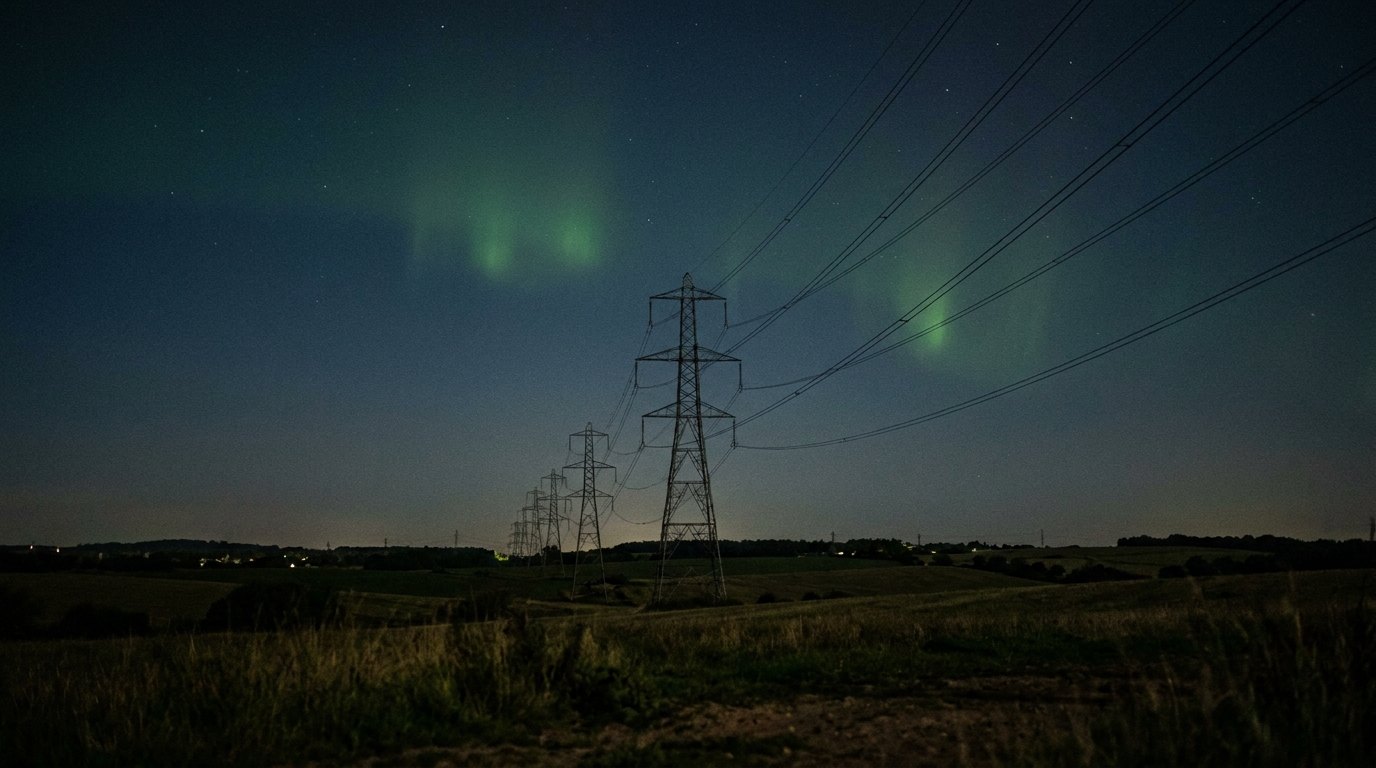
Plausible scenario. So the storm arrives anyway, some decade or century after 1859, and this is where the world without the record parts company with ours. In 1859 the telegraph was all there was on Earth for it to break. Every decade since has added more for it to break: power grids, the satellites that time and route almost everything, the pumps and cold stores and fertiliser plants that modern farming runs on. The 2013 estimate puts the bill for the United States alone in the hundreds of billions to trillions of dollars. The crop research puts the worst of the knock-on effects in the food supply, with global yields falling by more than a third.
Open questions
Here the record stops and nobody can choose between the answers, and it is worth being plain about which is which.
Nobody can say when a storm of Carrington size will next reach the Earth. The record shows that one happened, and that the Sun is capable of it. It does not give a date.
Nobody can say how much better prepared the world is because of 1859. It is a reasonable guess that a real storm, with real shocked operators and a sky lit up over Cuba, has done more to keep the question alive than any model would have. It is only a guess.
What is not a guess is the direction of travel. The same storm does more damage every year the world is more wired than the year before. In our world, it happened when there was almost nothing to break, and it left a record. In the world where the Sun stayed quiet that week, the first great storm anybody writes down is the one that arrives when there is everything to break.